Polestar
Pitching big ideas to a surging EV company
Role
Design Lead
Context
AR & Connected Vehicles
Timeline
March 2022
After the successful Polestar 2 PDP launch, YML formed a small team to pitch innovative ideas for the entire vehicle ecosystem. Eager to work on an automotive client, I jumped in. In just three weeks, we conducted guerrilla research, made smart assumptions, and operated efficiently. Collaborating with a researcher and two designers, we strategized, designed, and prototyped concepts for Polestar USA leadership. I pushed myself to explore new tools and technology, building trust with our client while executing and selling the vision.
01
Examining the car buying journey
Zooming out
We analyzed the existing purchasing experience across all digital and physical touch points. This helped us understand friction areas and opportunities for enhancements.

Working efficiently
We ultimately landed on about 10 rough concepts as a starting point. The moments I chose to bring to life were the highest impact and also the most realistic to execute given YML’s capabilities. It wouldn’t make sense to pitch something we couldn’t build.
02
Vehicle configuration
Pre-ownership
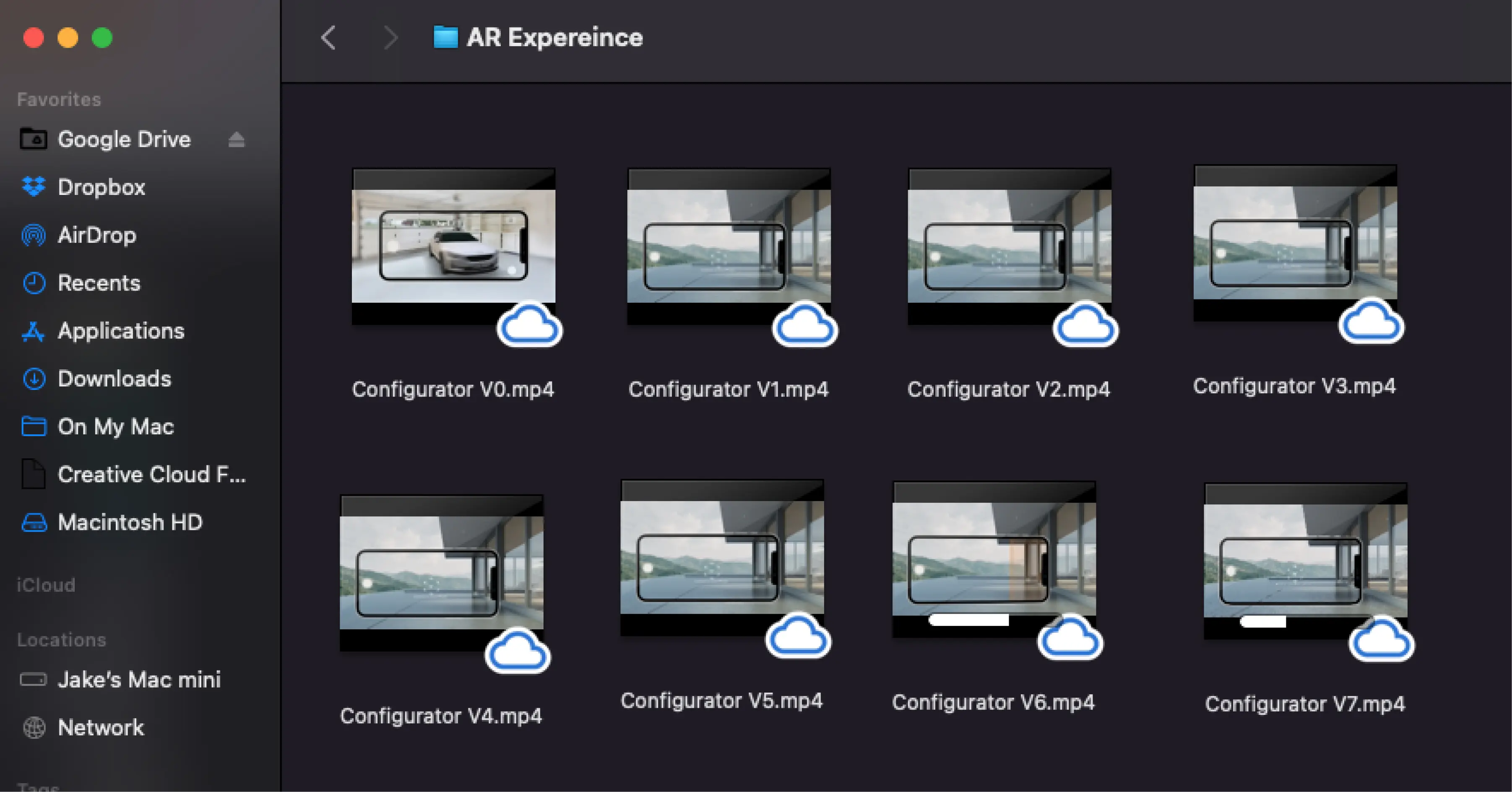
Like many premium EV companies, Polestar does not have typical dealerships; they have showrooms where customers to configure their vehicles, sit in the drivers seat, touch the materials and use augmented and virtual reality solutions to learn about the vehicle.
"Our configurator allows guests to spec up a chosen car, and even transfer said configurations to a mobile device to consider next steps at their leisure." - Polestar.com , Oslow showroom opening.
Leveraging AR
...But not everyone lives near a polestar showroom, and there aren’t that many. How might we bring the tactile, in-store configuration experience to those who don’t live near a Polestar showroom?
"40% of consumers say they would pay more for a product that they could customize in AR." -Three Kit
03
Unifying the polestar app ecosystem
Ownership
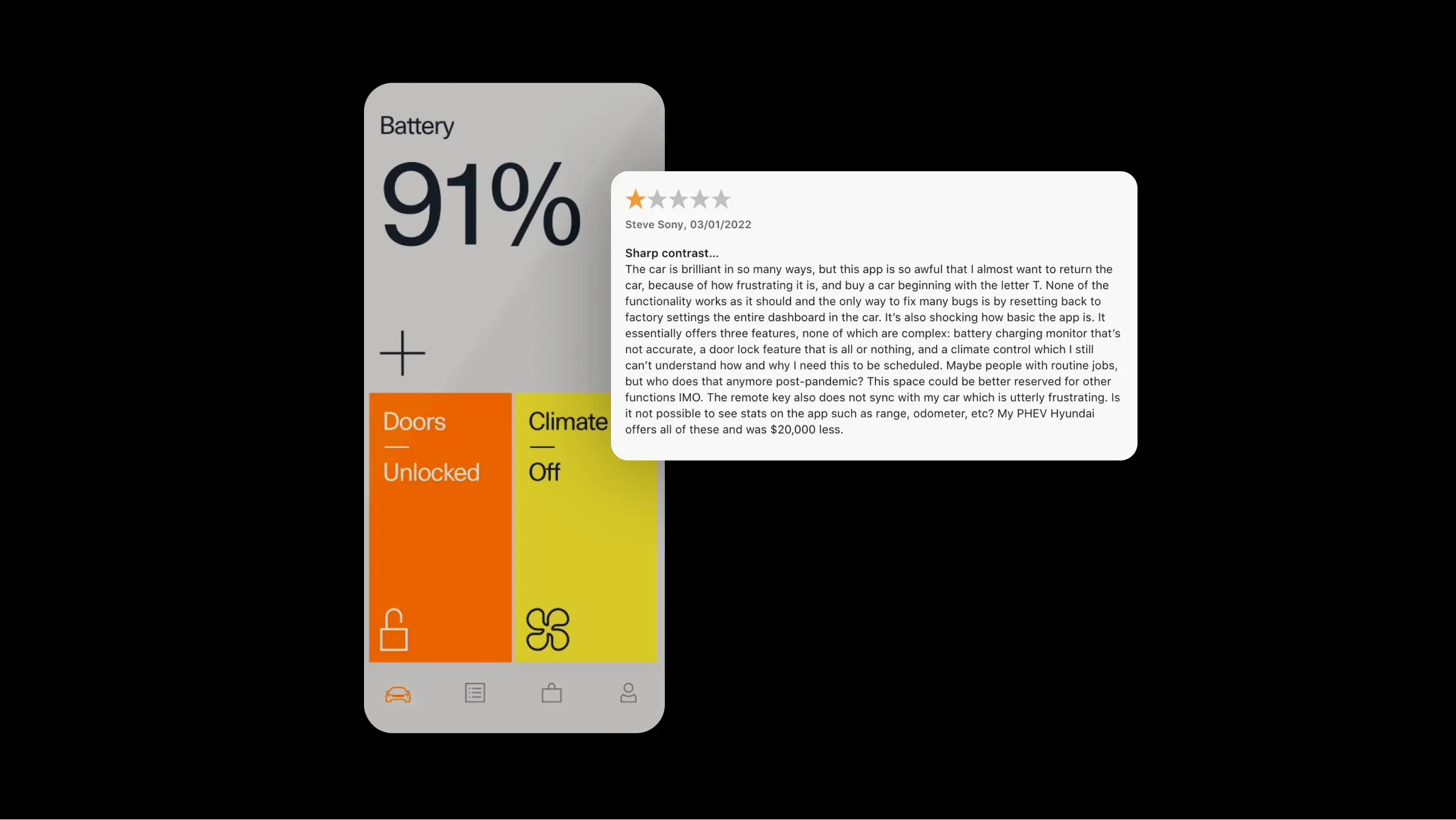
The obvious place to start in the post-purchase journey was the companion app. The Polestar 1 was being phased out, along with its companion apps. The Polestar 2 app had some brutally honest ratings and reviews from dissatisfied owners. Customers paying a minimum of 55k for a world class vehicle expect and deserve a premium and unified digital experience.
Experience Demands
We brainstormed some table stakes features for the new app, as well as some wild ones. Each feature laddered up to three core experience pillars.
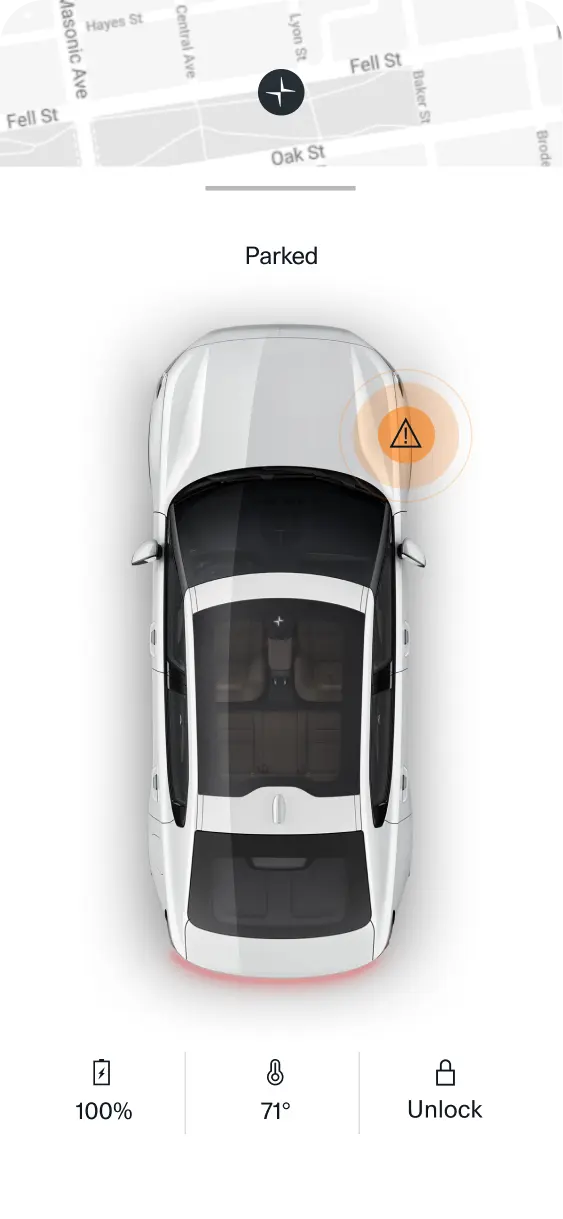
A true extension of your vehicle
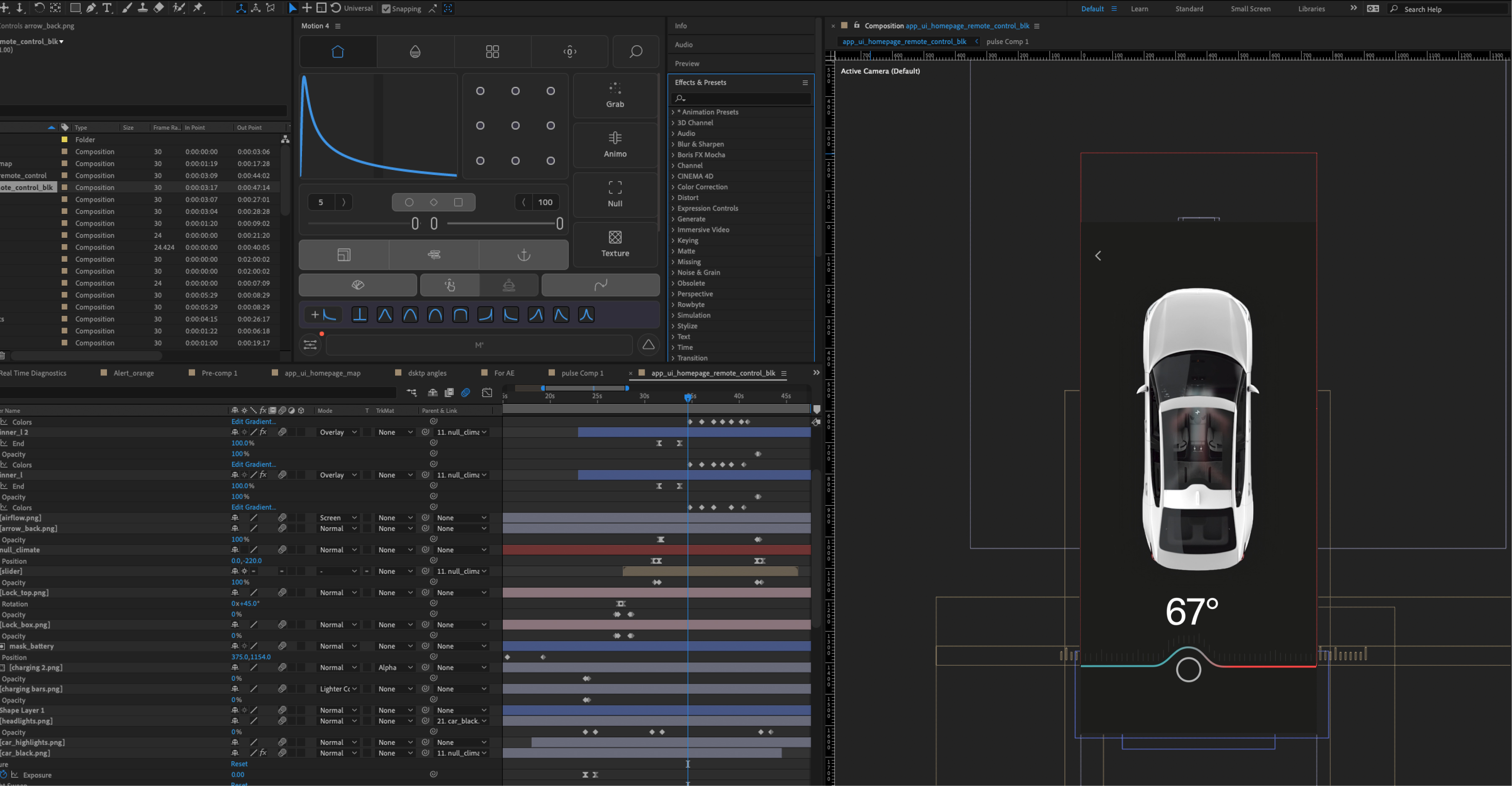
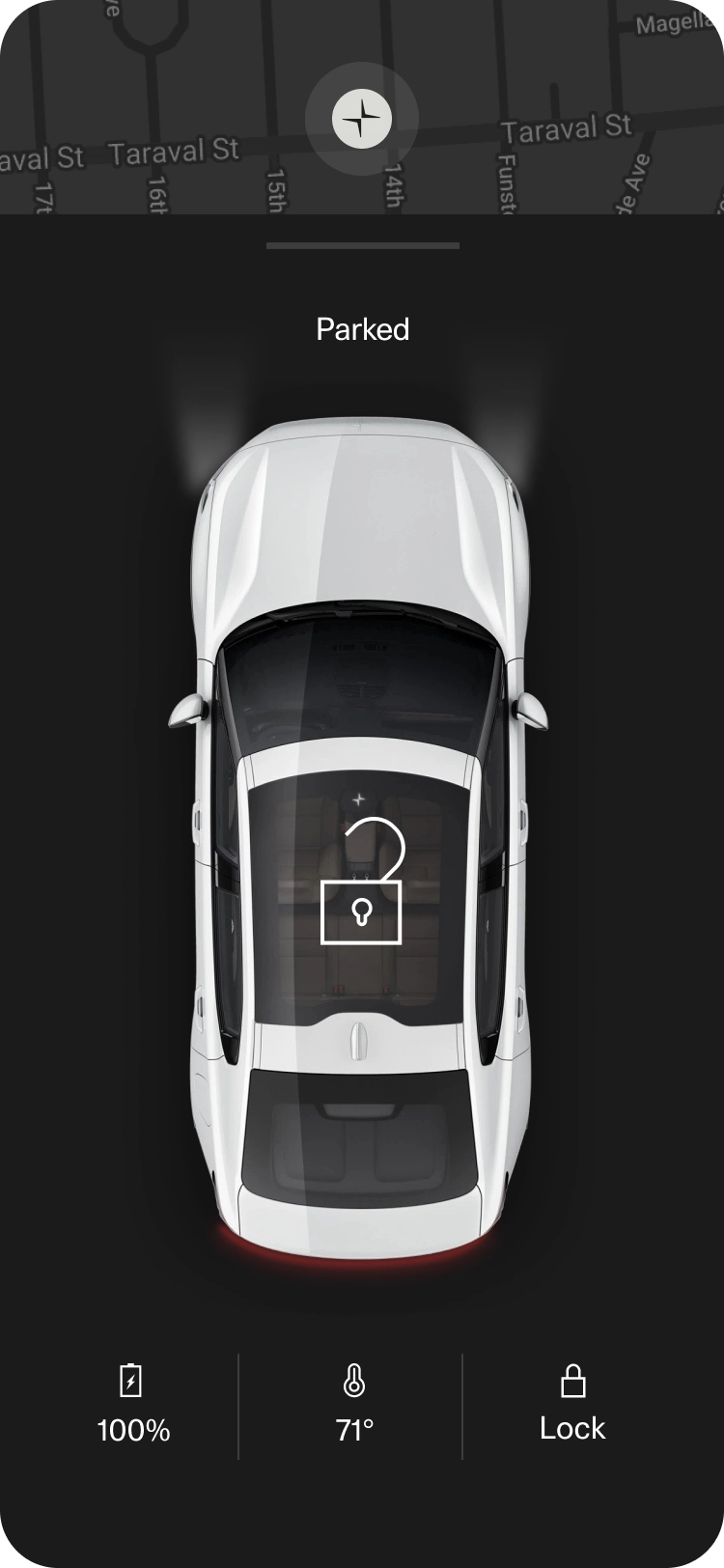
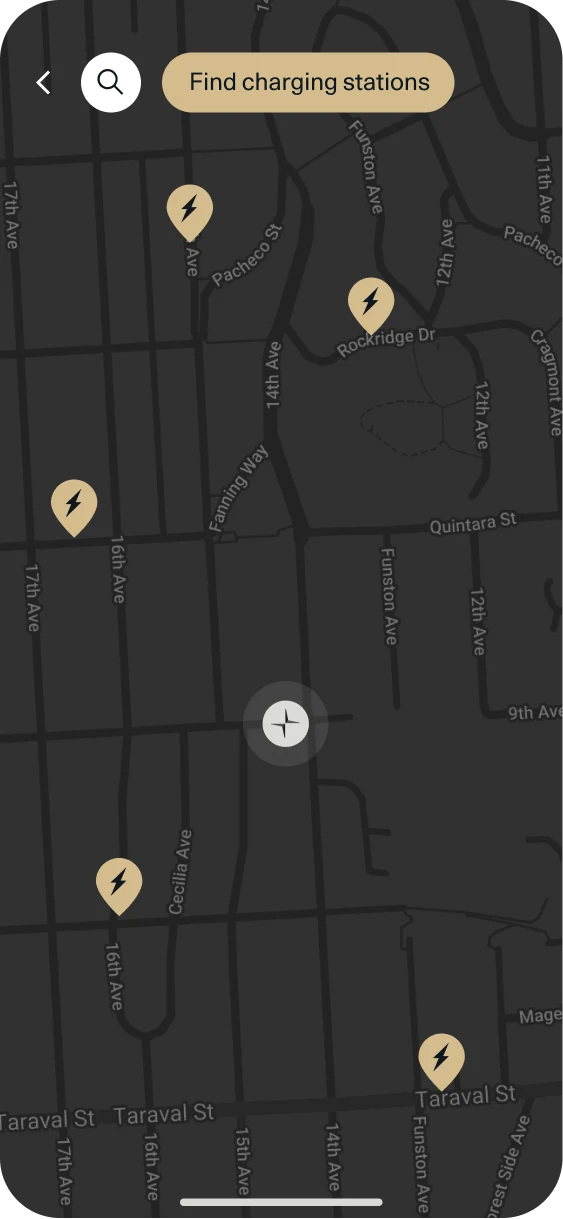
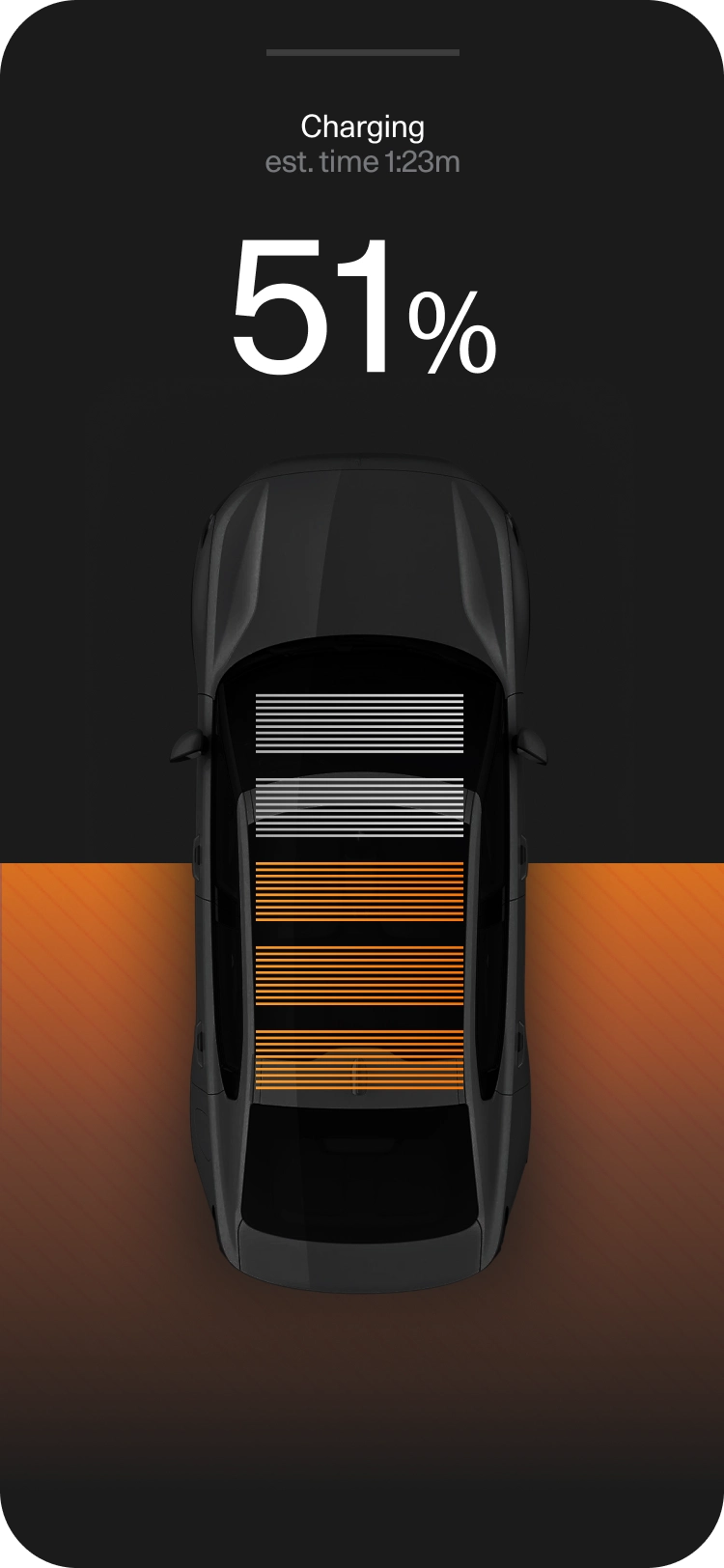
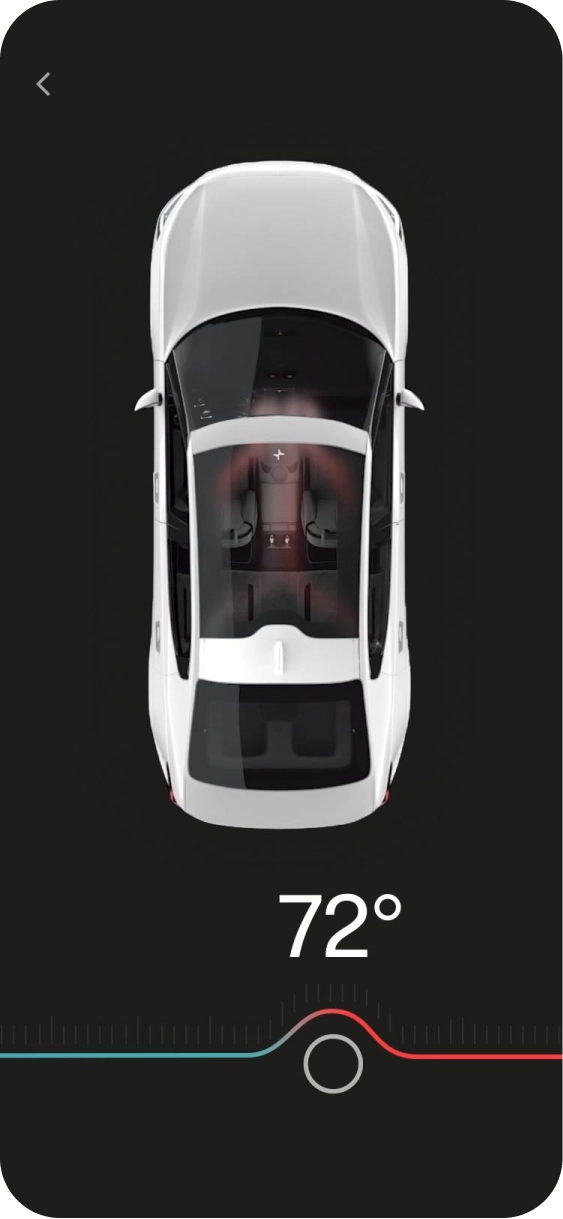
Inspired by interaction cues from the Polestar 2 in-vehicle displays and smart home interfaces, I ultimately landed on an interaction paradigm that places the vehicle front and center, while leaning fully into Polestar’s minimalist, Scandinavian design. Small details like adding a light sweep to add life to the charging state, and animating the back ticks on the temperature slider made all the difference.
Post purchase education
Making the shift to an electric vehicle, let alone a Polestar, is a paradigm shift for new owners. How might we educate them about all their vehicle has to offer without it feeling like reading an owners manual?
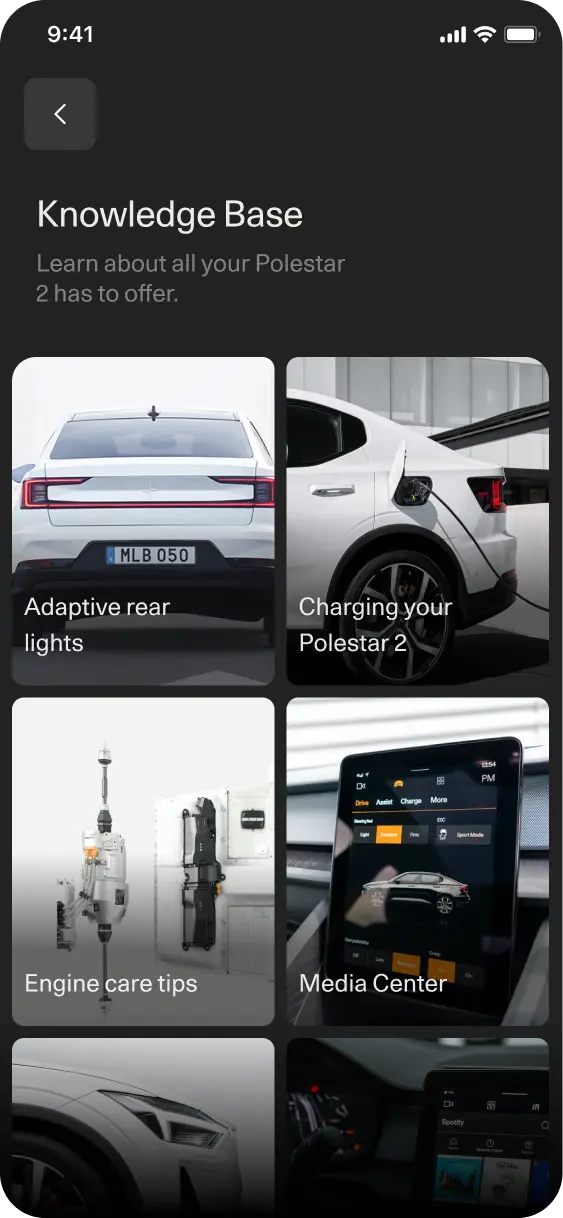
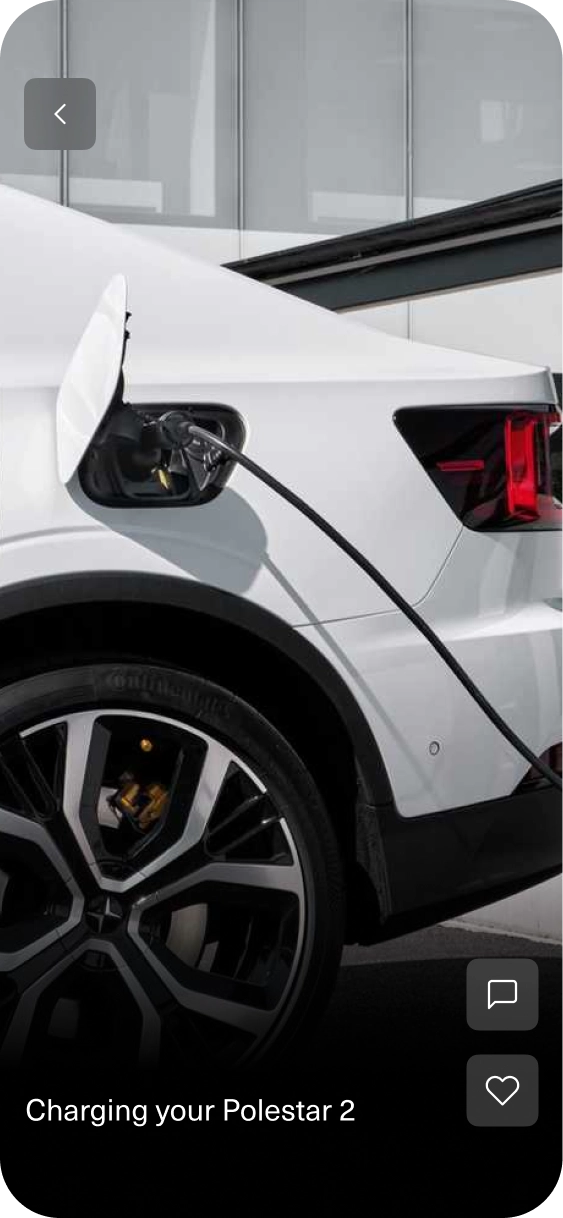
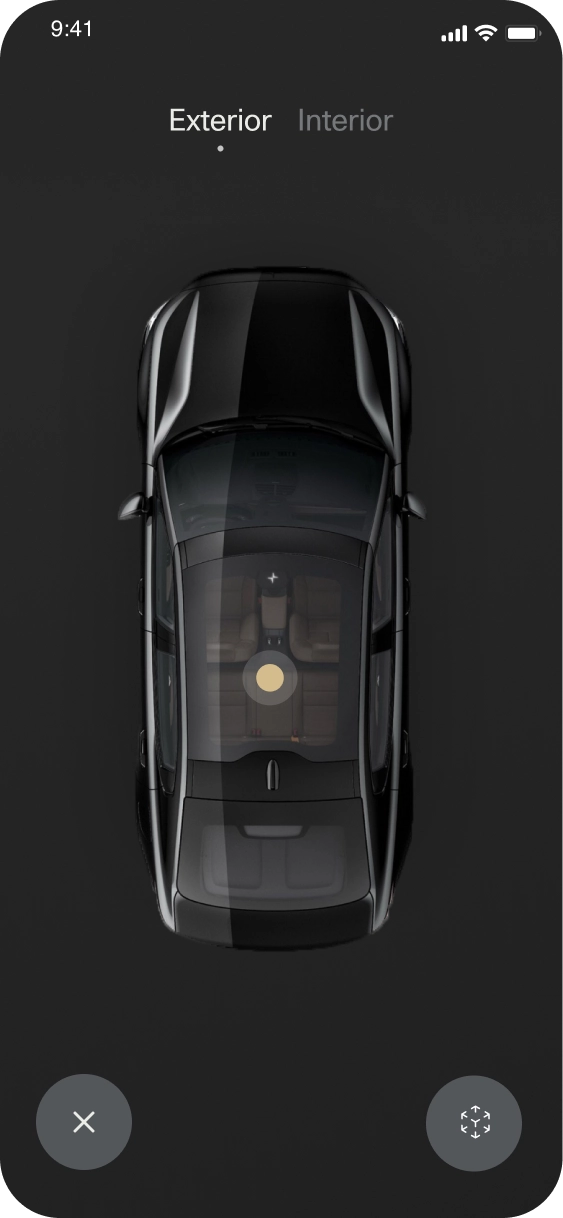
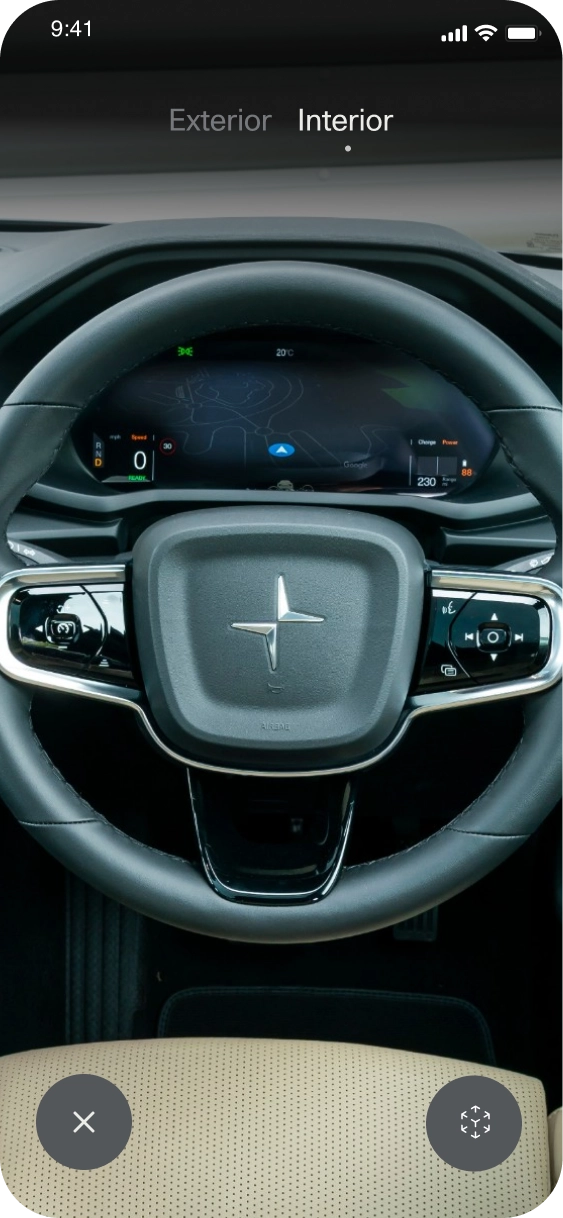
Your car in your pocket
By giving polestar owners the ability to interact with a virtual representation of their vehicle in 3D space, learning becomes contextual and immersive, rather than encyclopedic.
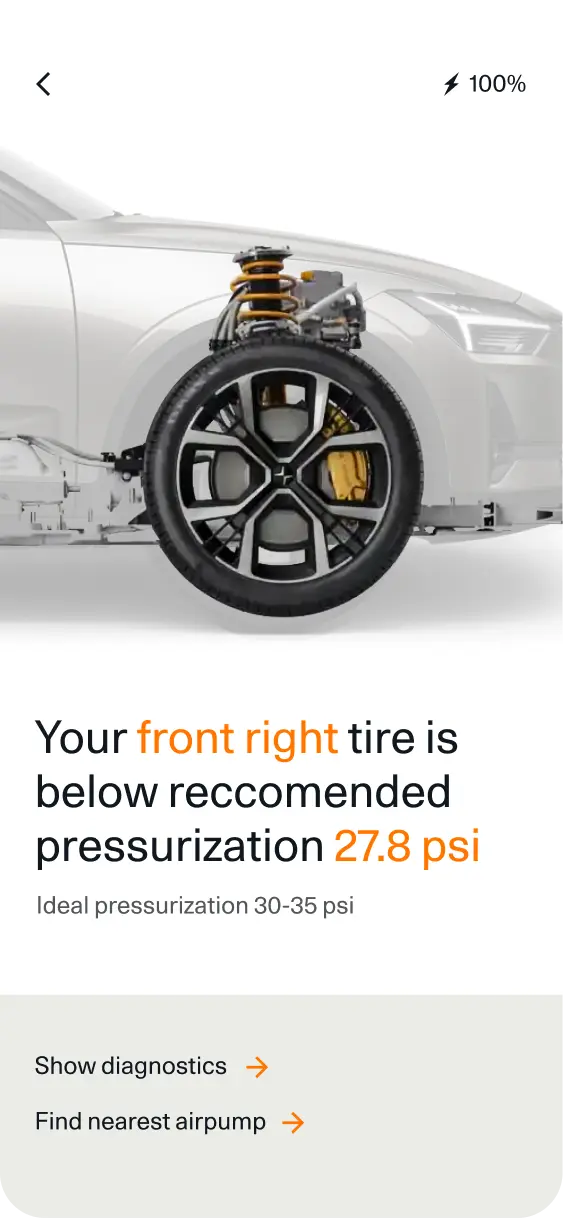
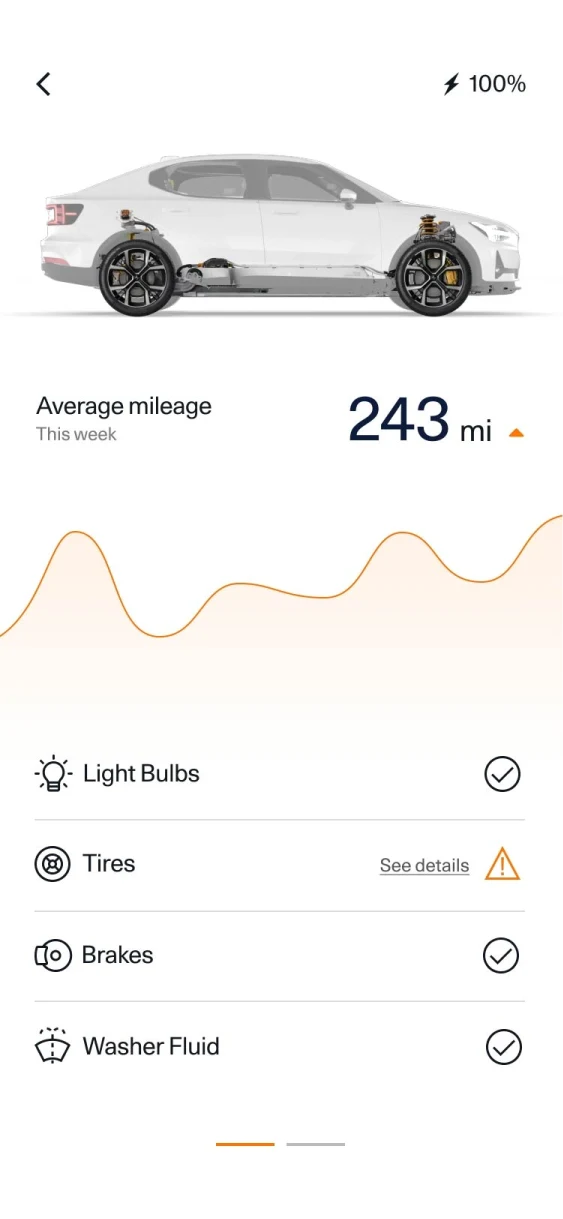
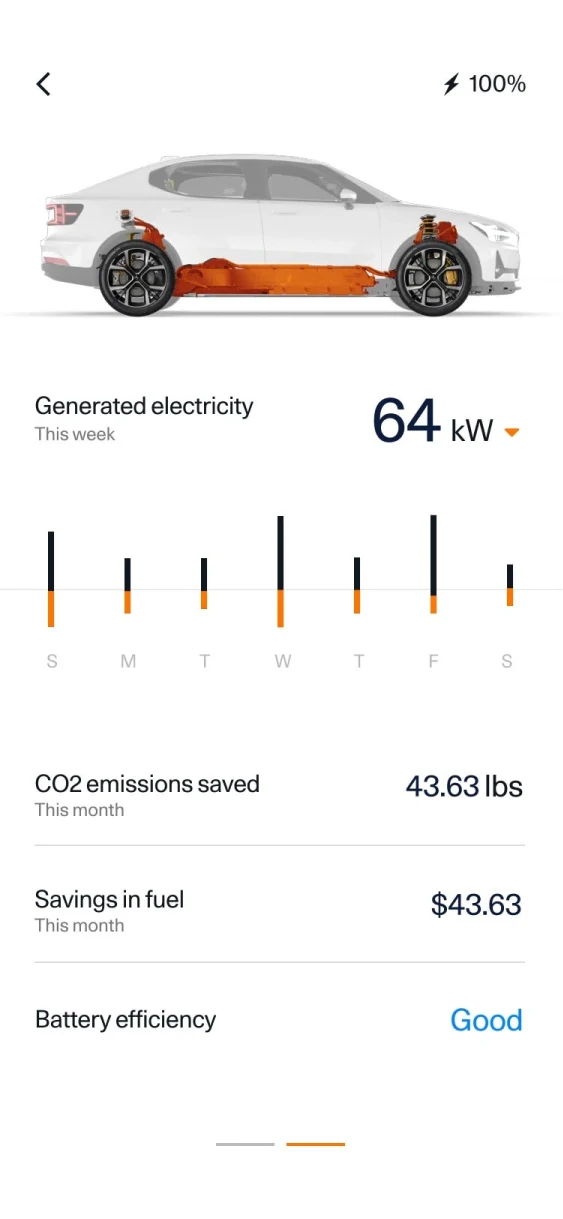
Realtime diagnostics
How might we help drivers understand their driving habits and their vehicle's energy consumption and performance?
04
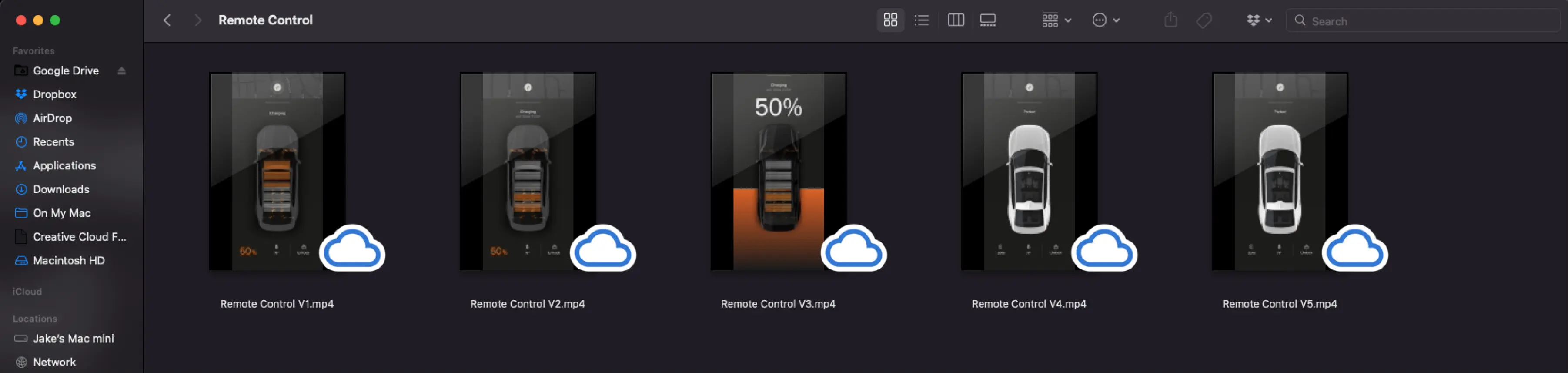
Iterations that died. RIP.
Under the hood
Due to constant feedback, and my team's attention to detail, these flows went through many iterations until we felt the work lived up to Polestar's high standards for design.